Borrowing the Canon R5 mk II
Here’s what I borrowed:
Canon R5 mk II body
RF 16-35mm f/2.8
RF 24-70mm f/2.8
RF 70-200mm f/2.8
RF 100-500mm f/4.5-7.1
Here’s what I photographed:
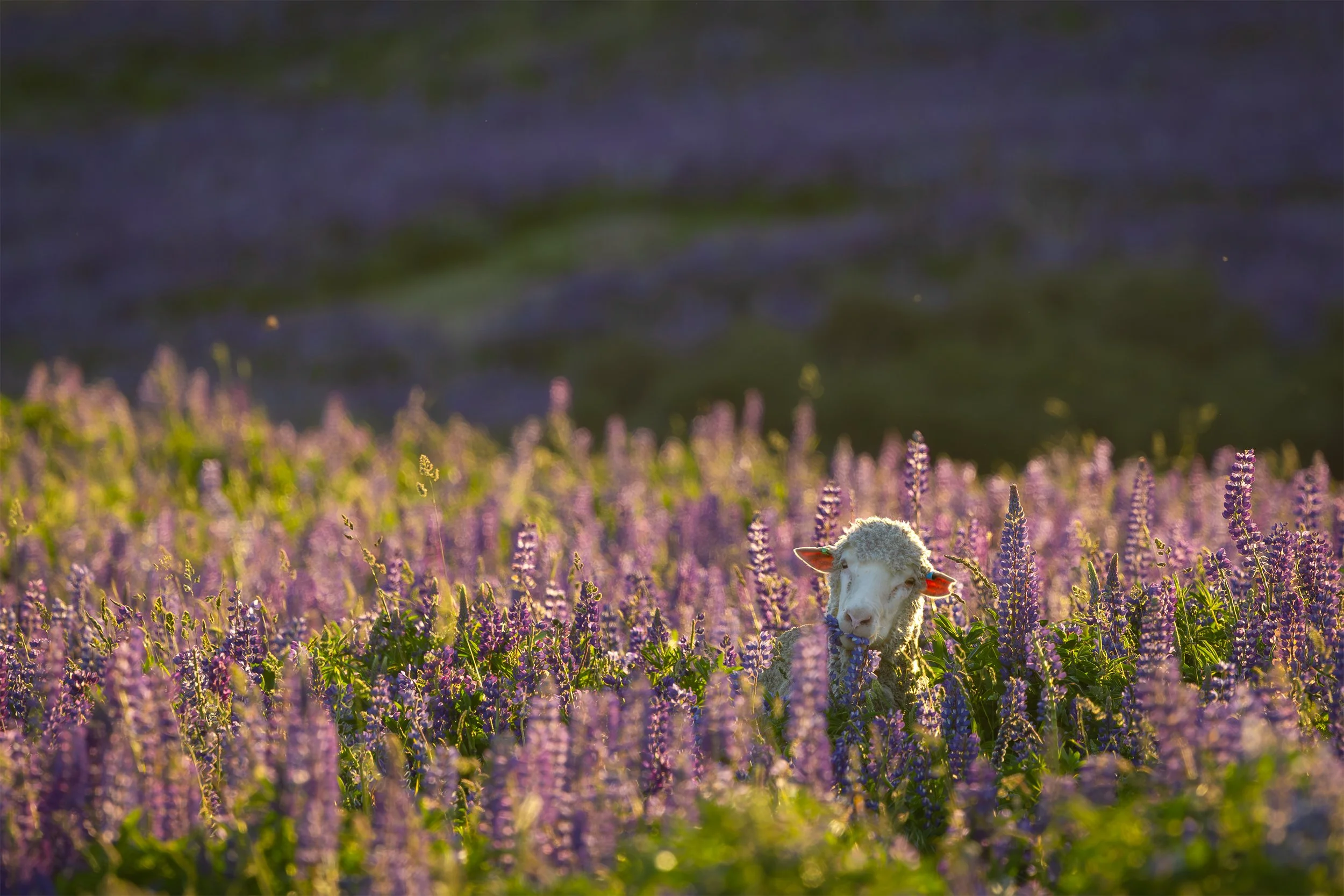
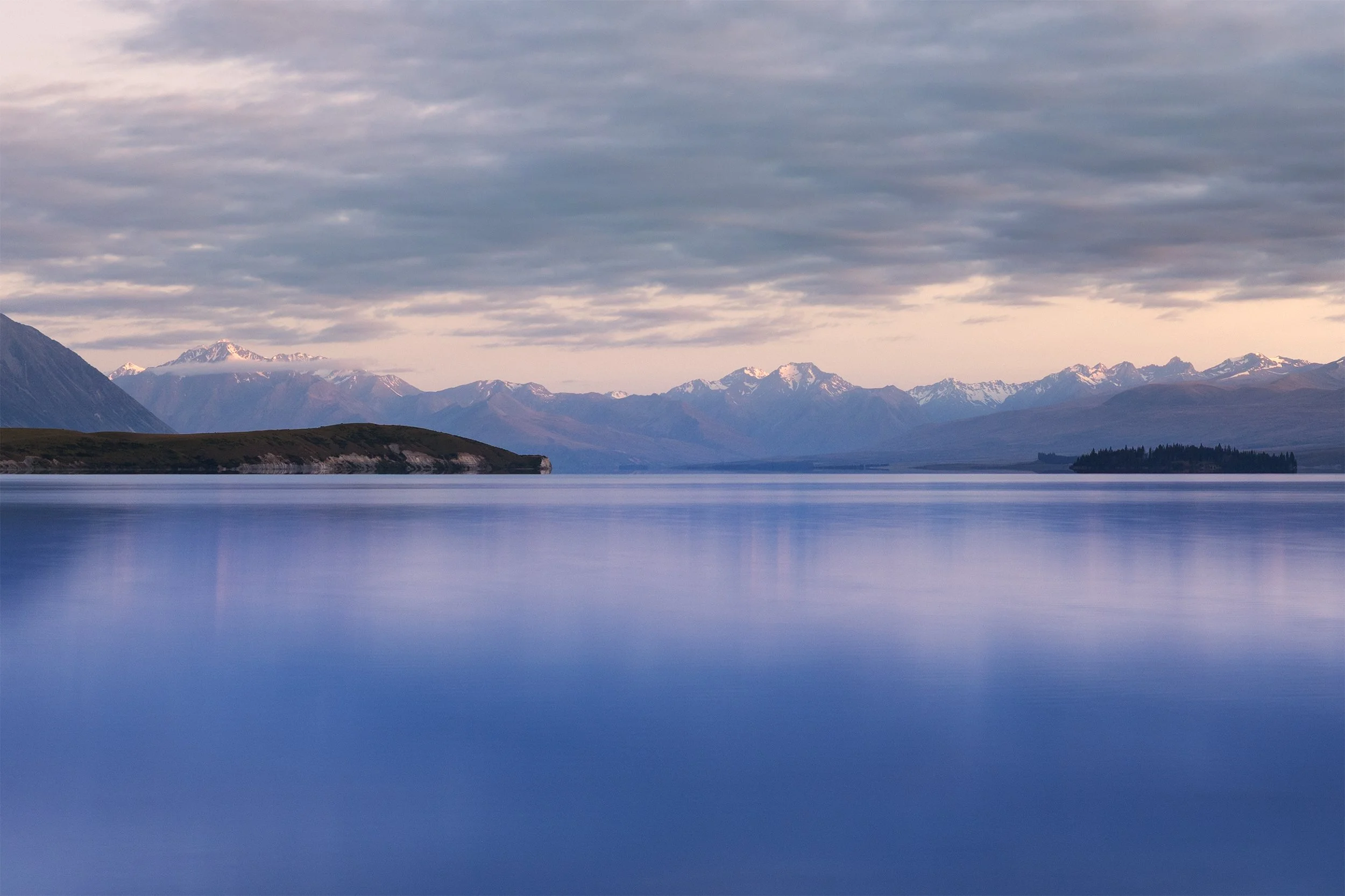
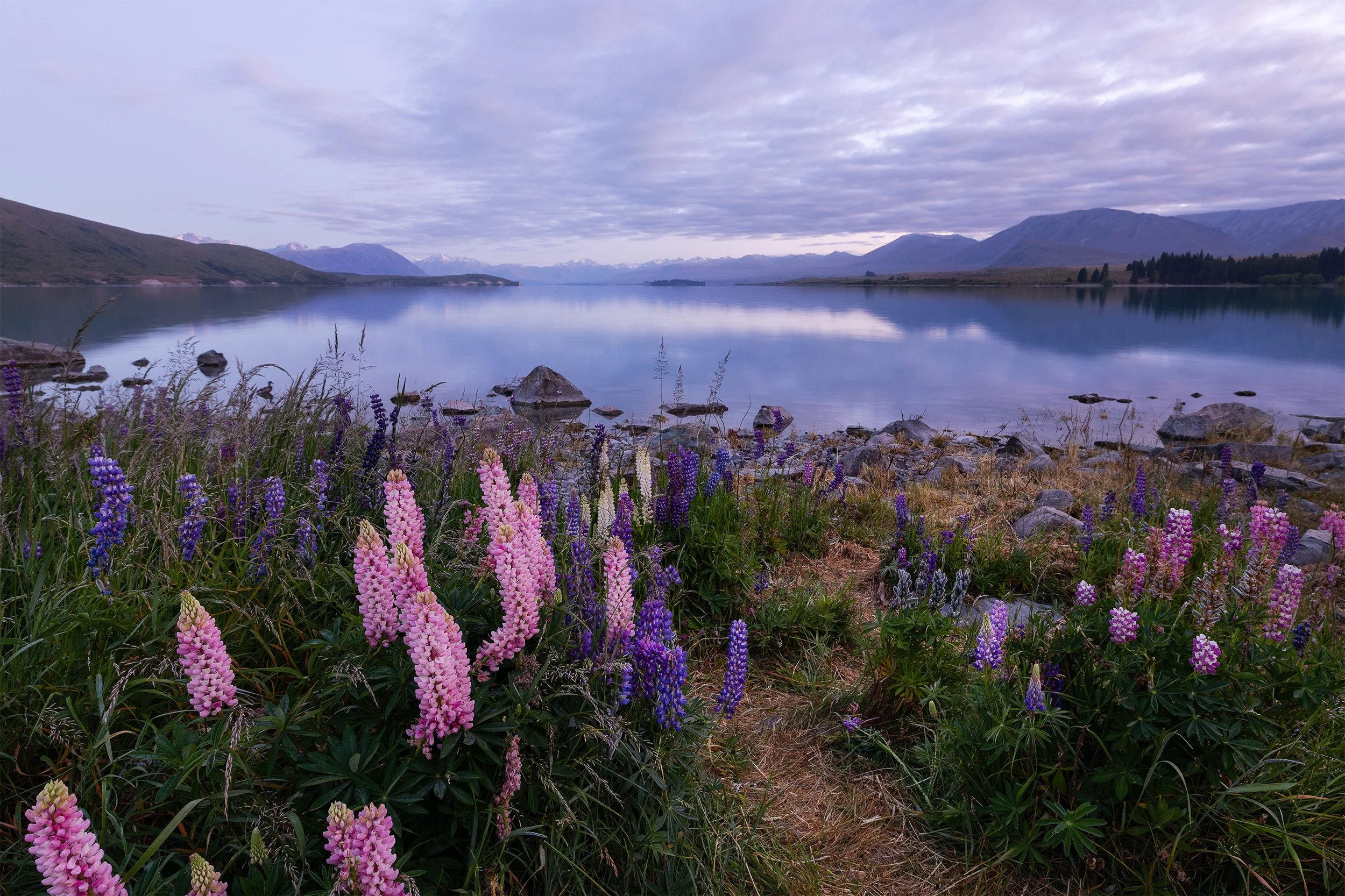
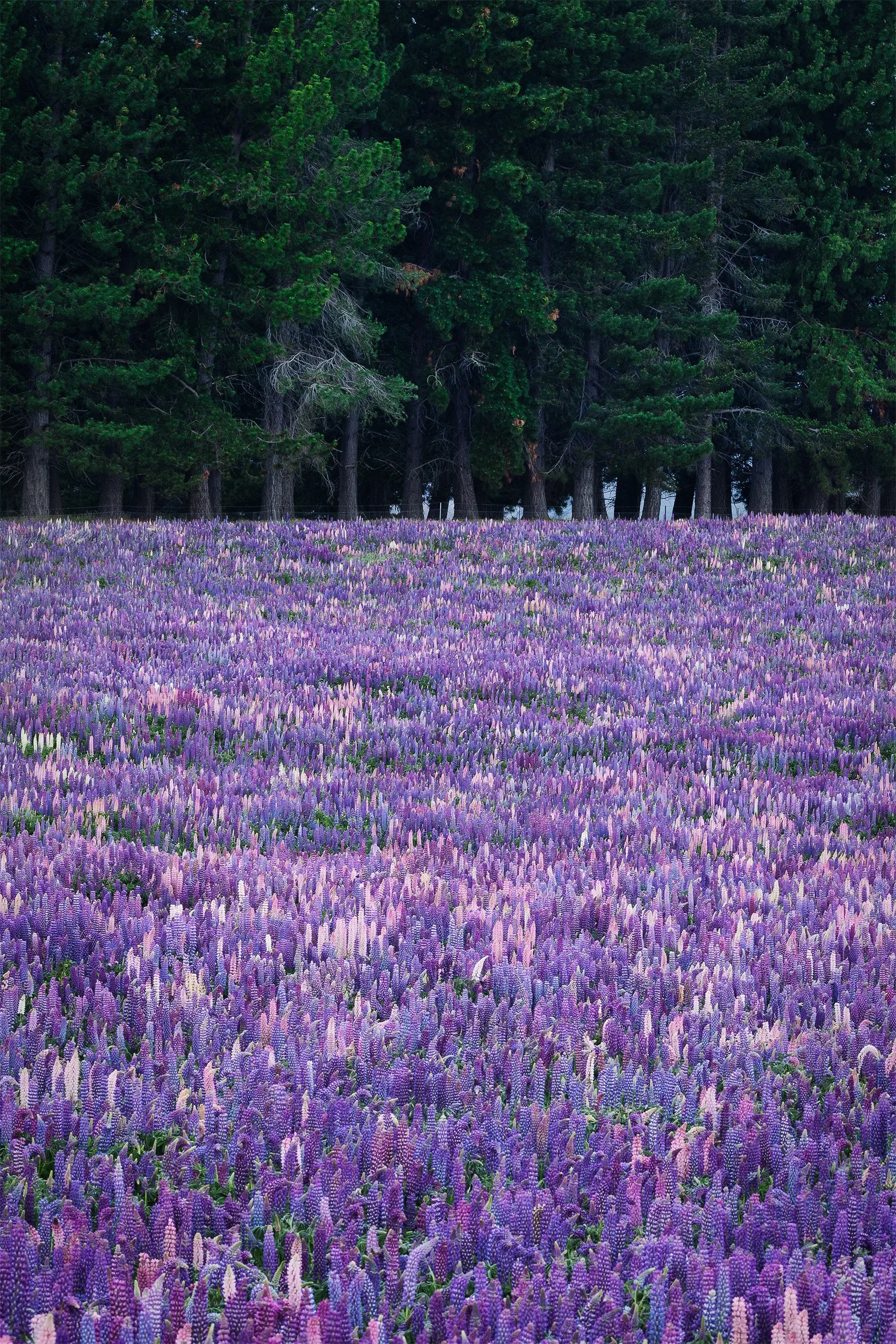
Tekapo lupins in early December
Birds in Ashley Gorge
Leaf, my dog
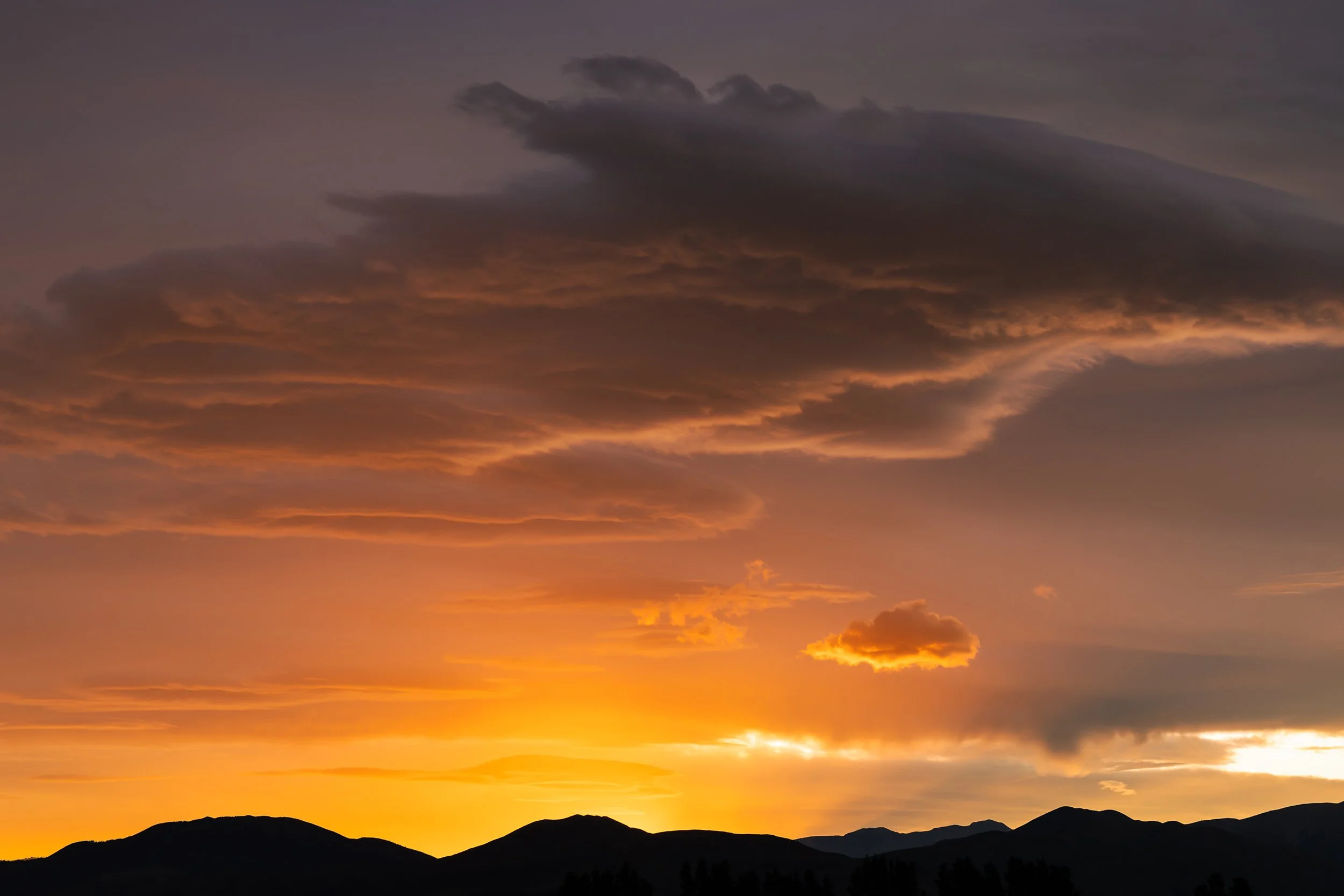
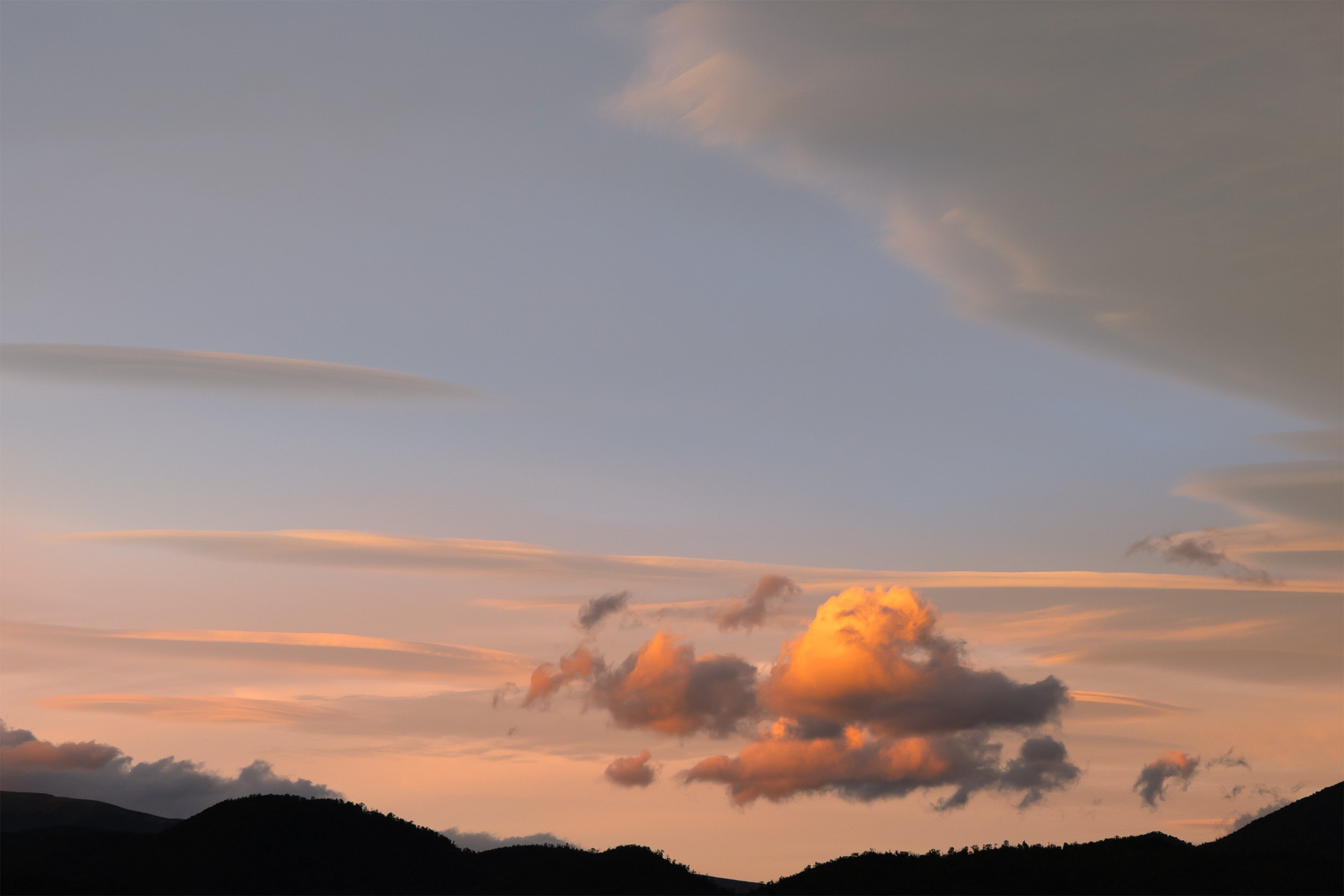
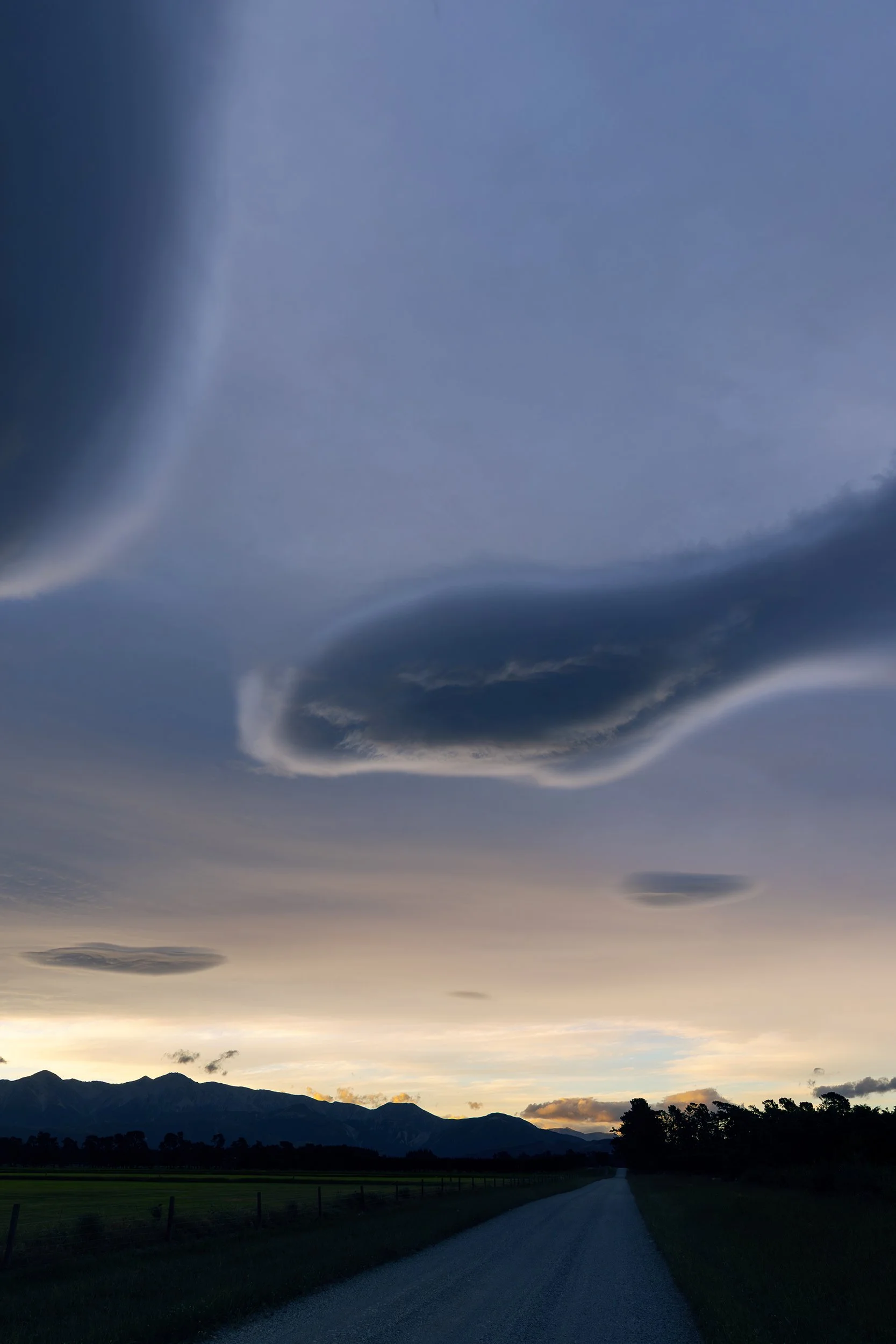
Oxford sunset
Birds in Arthur’s Pass
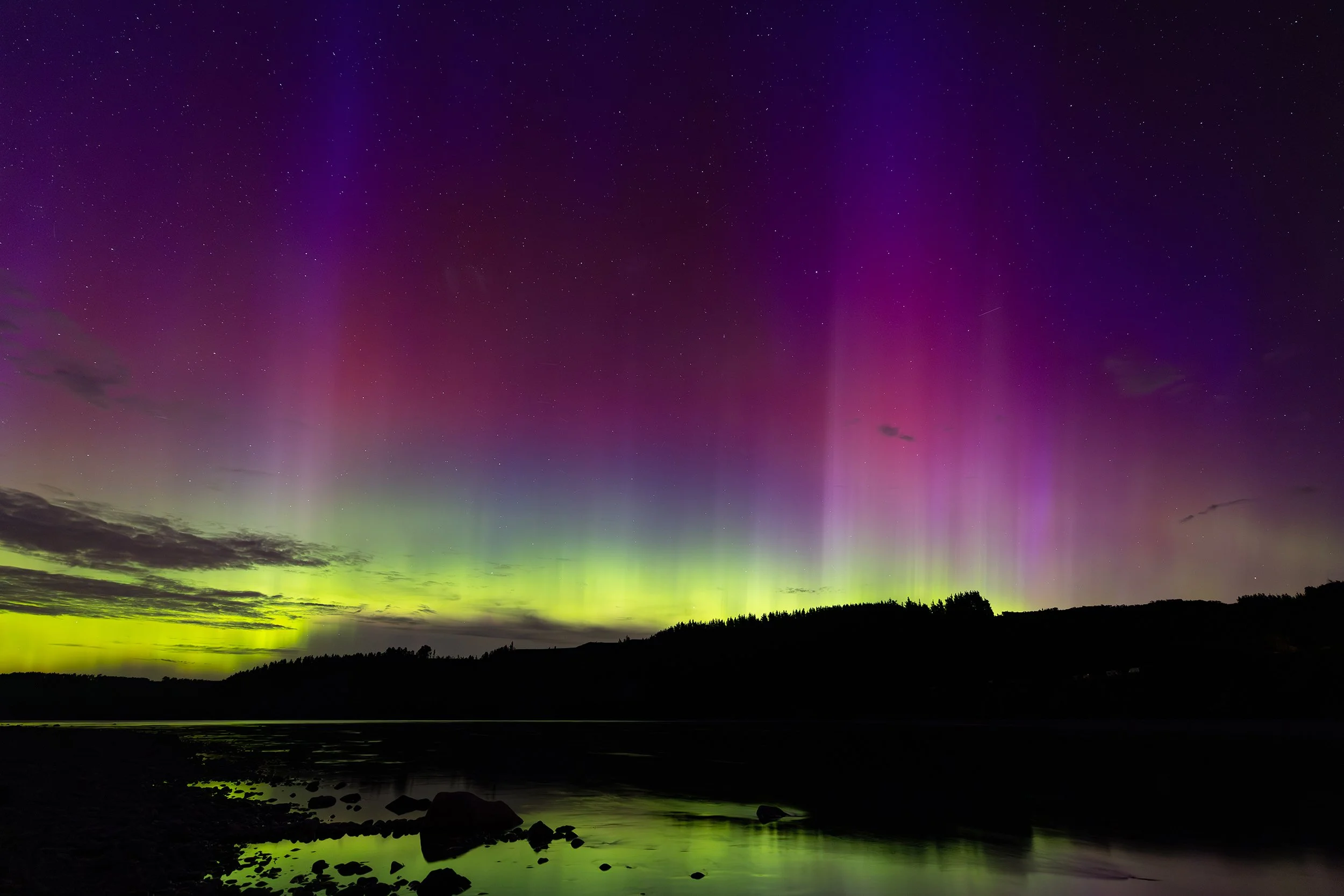
Aurora at Rakaia Gorge
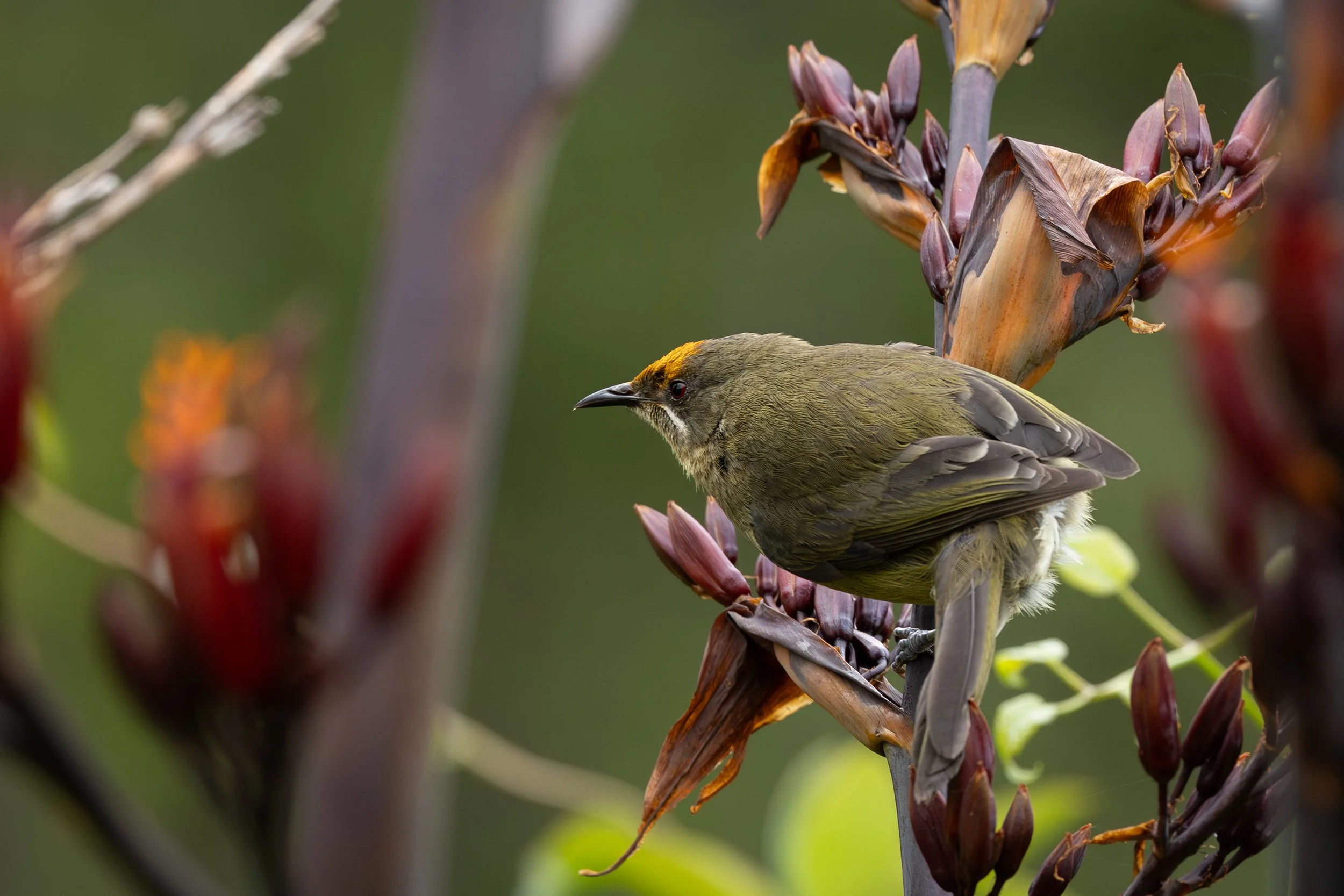
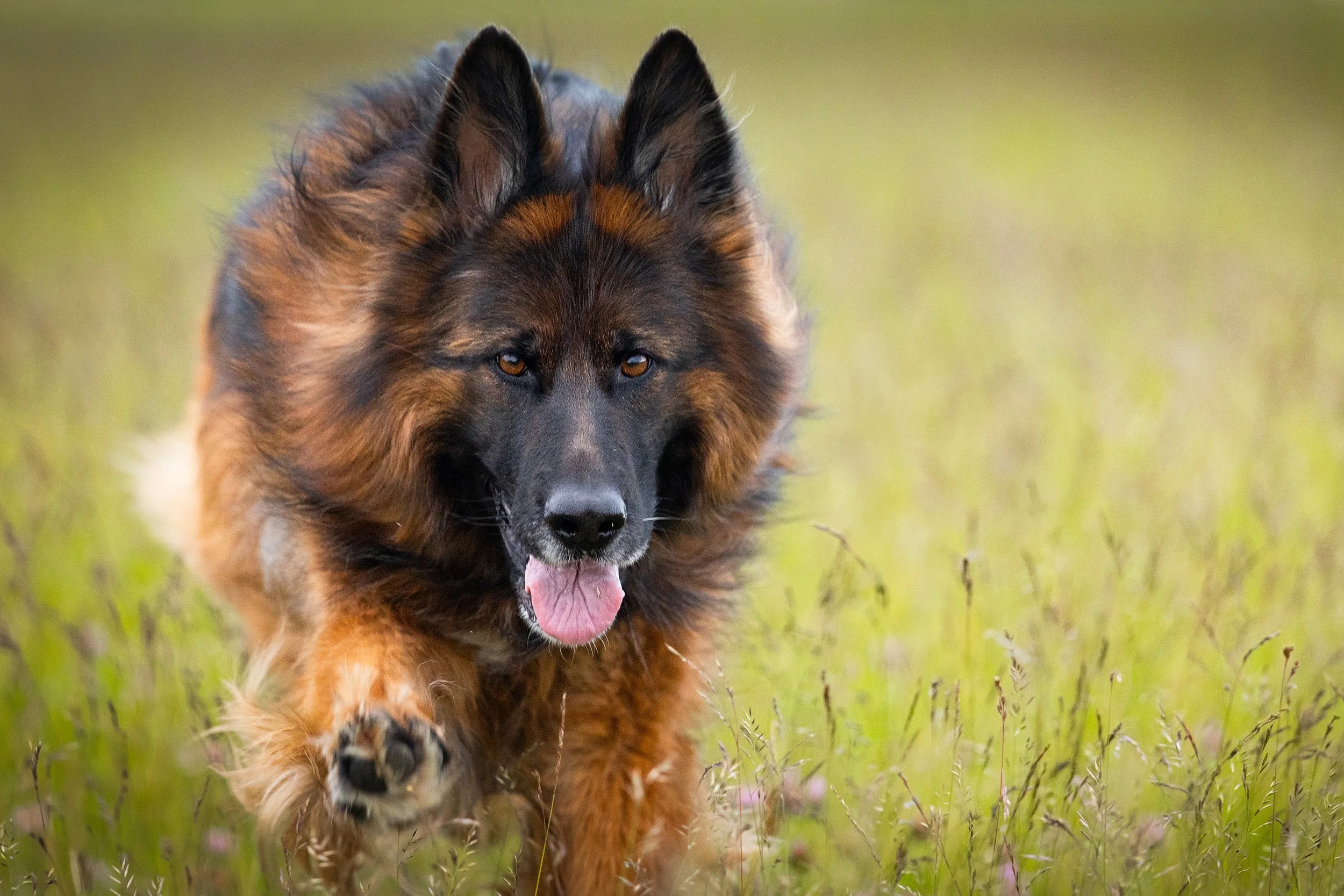
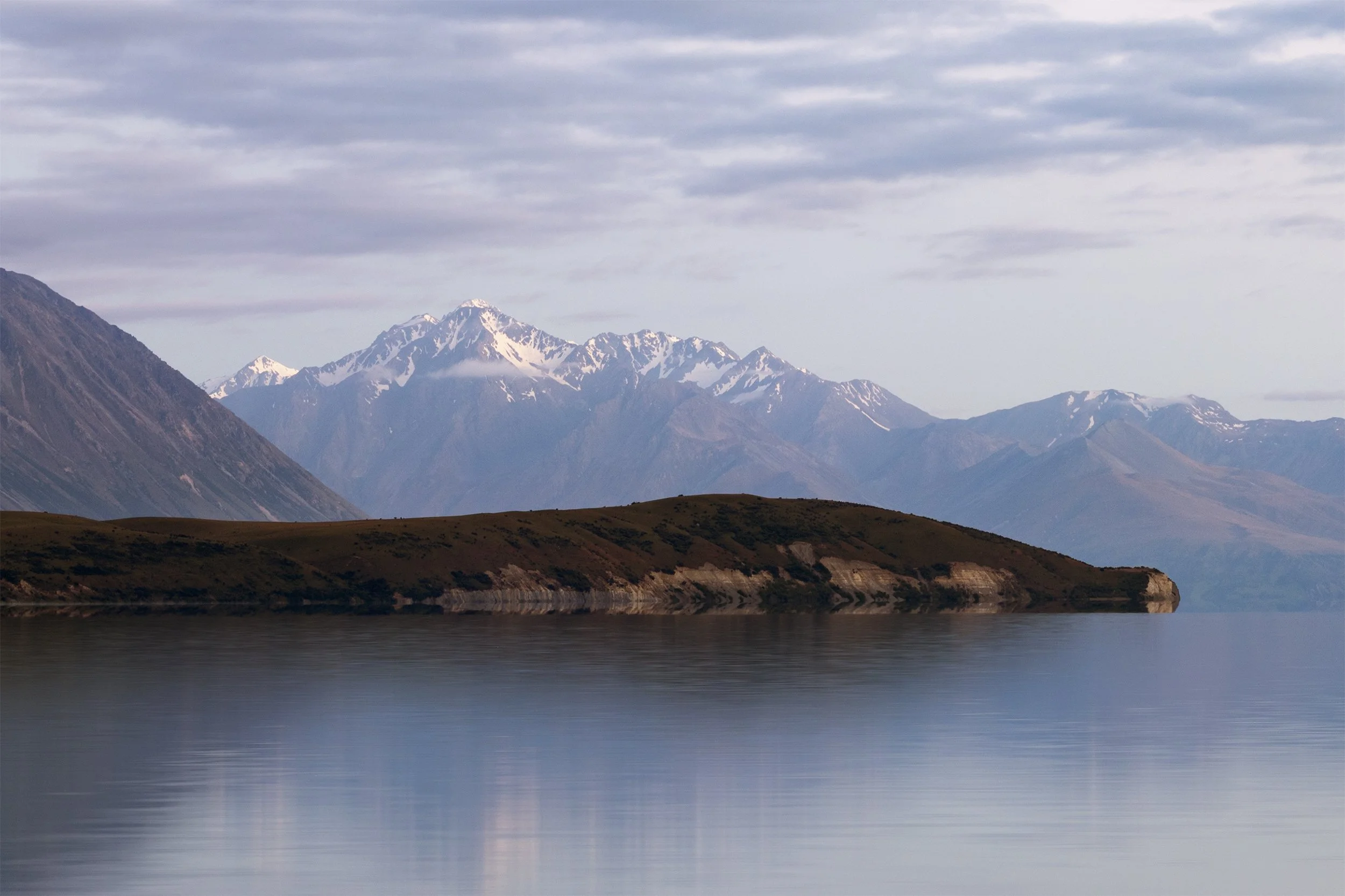
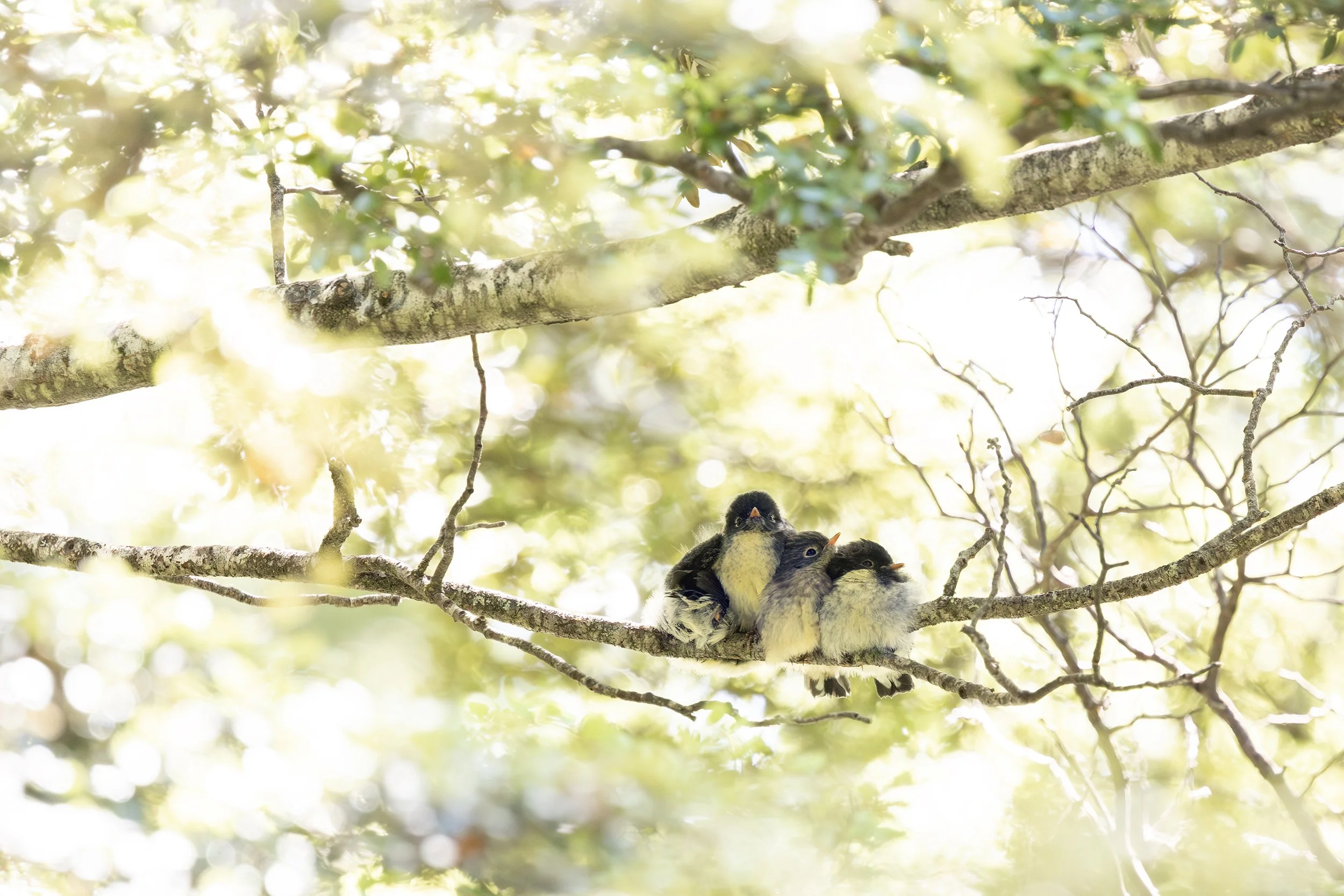
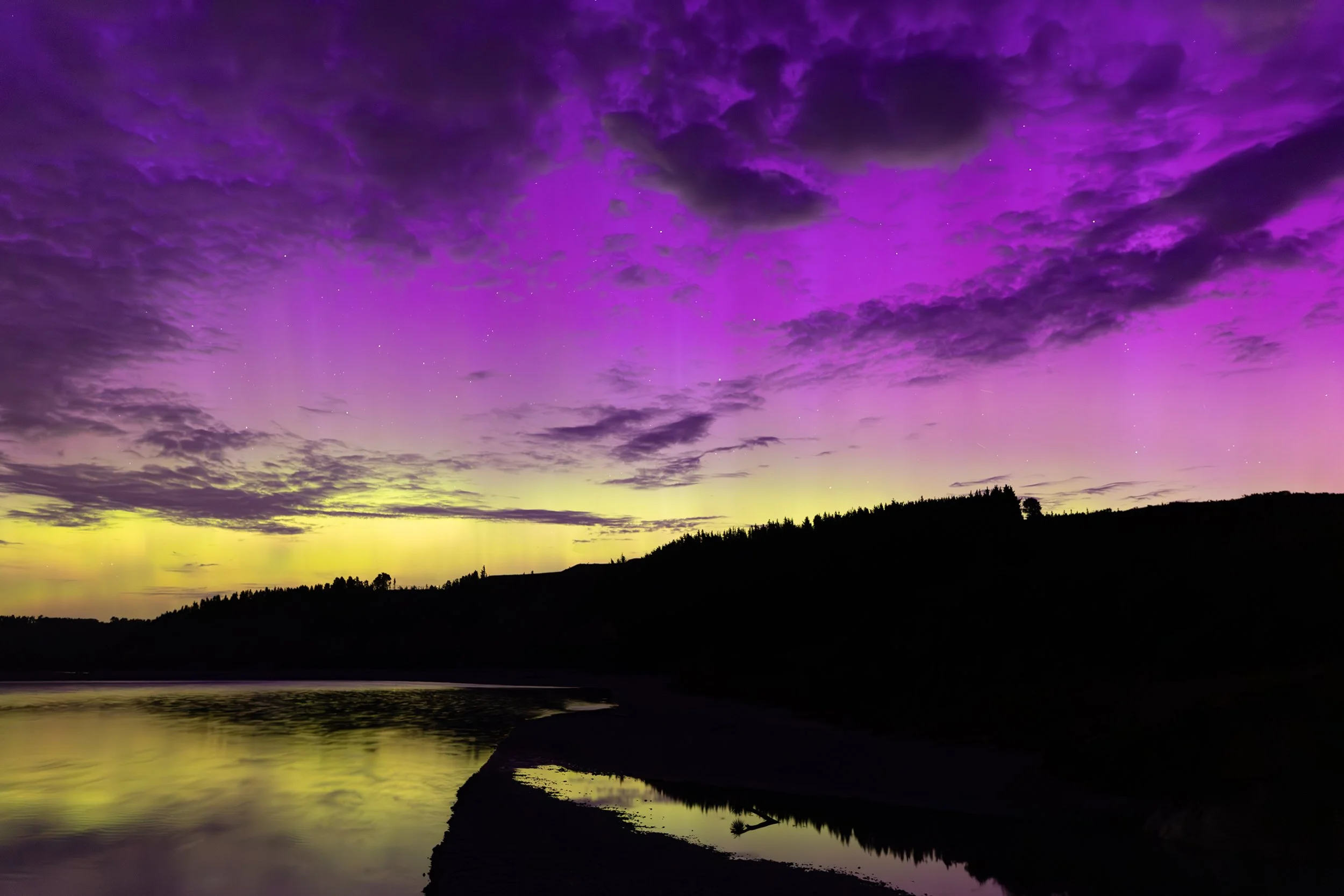
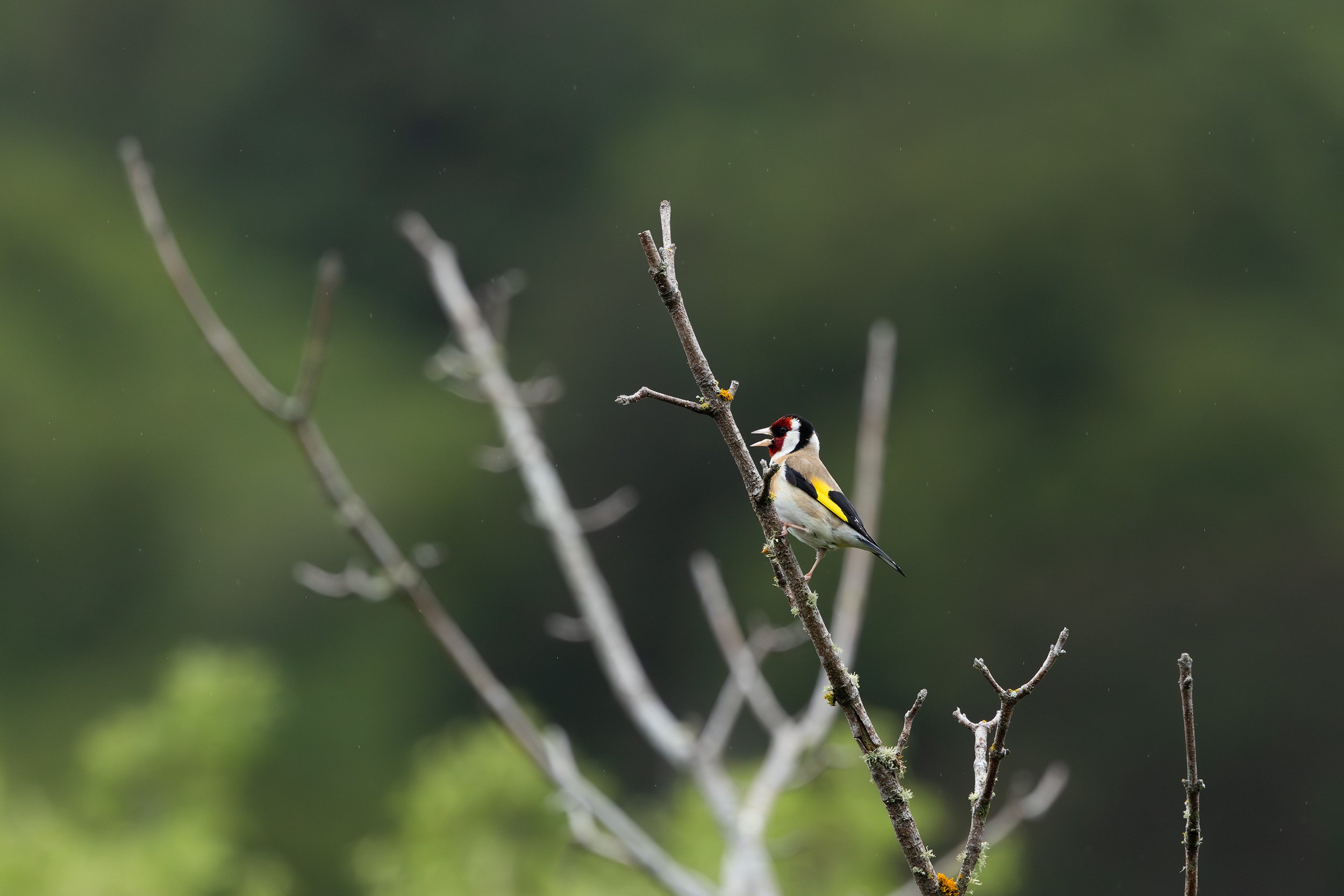
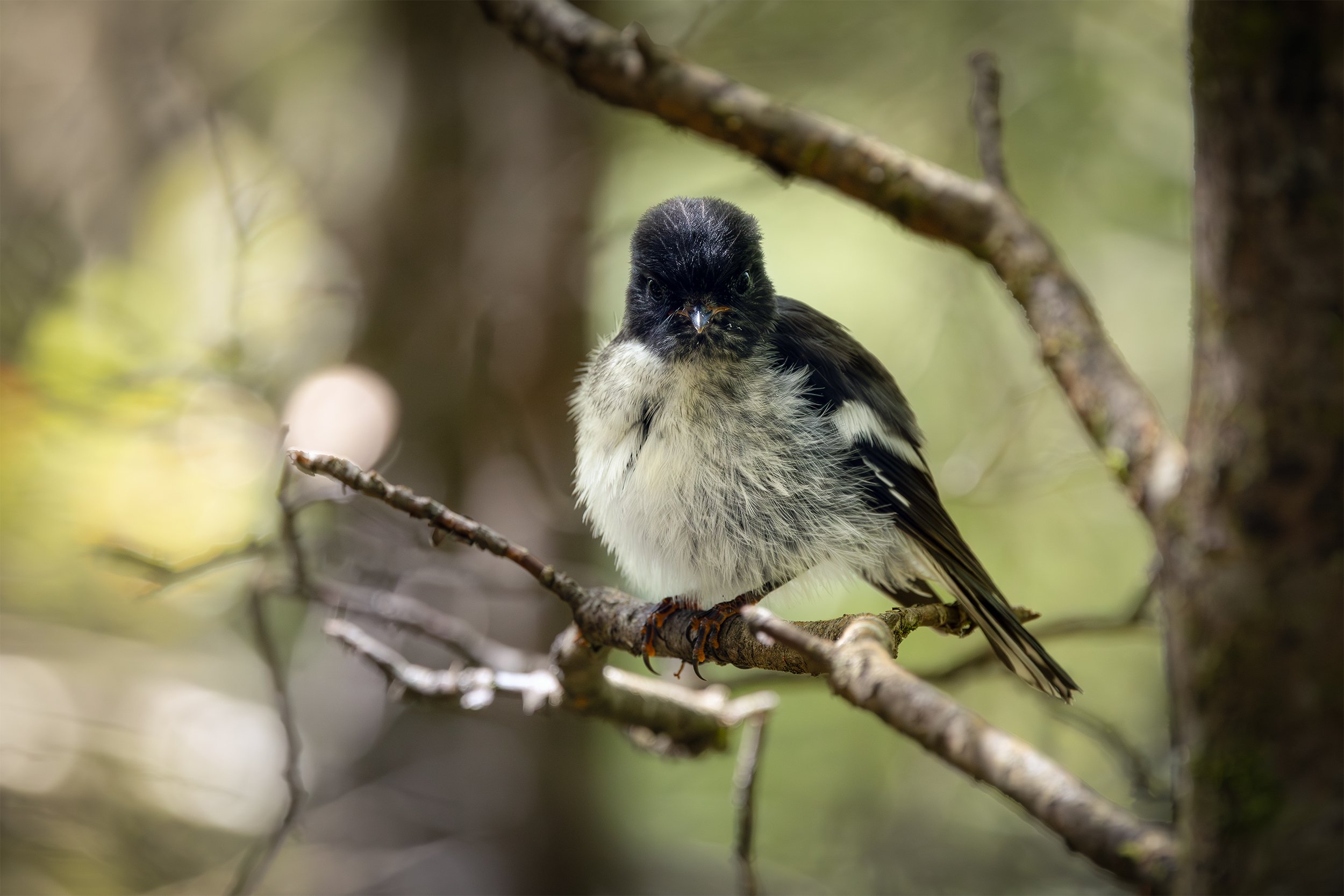
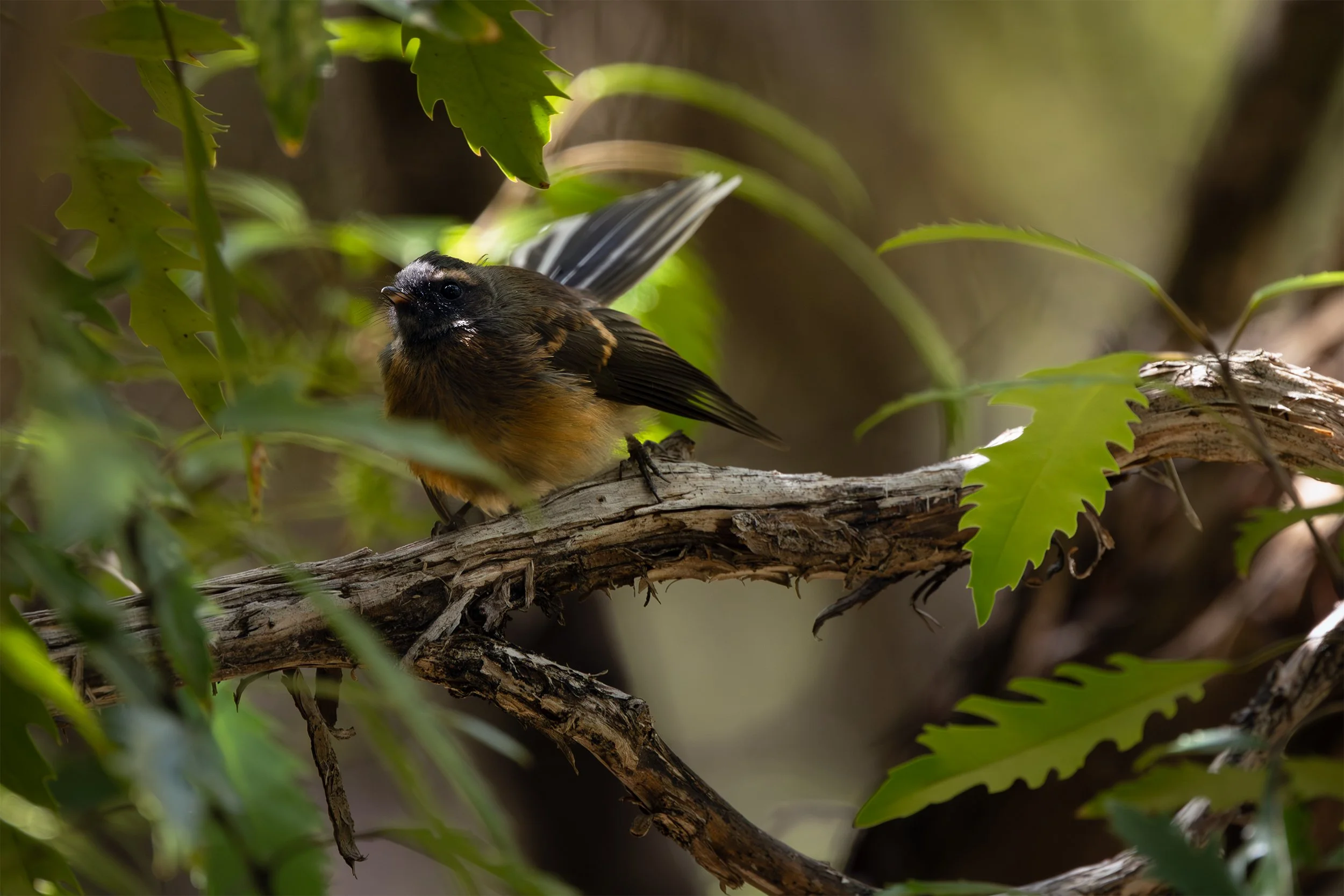
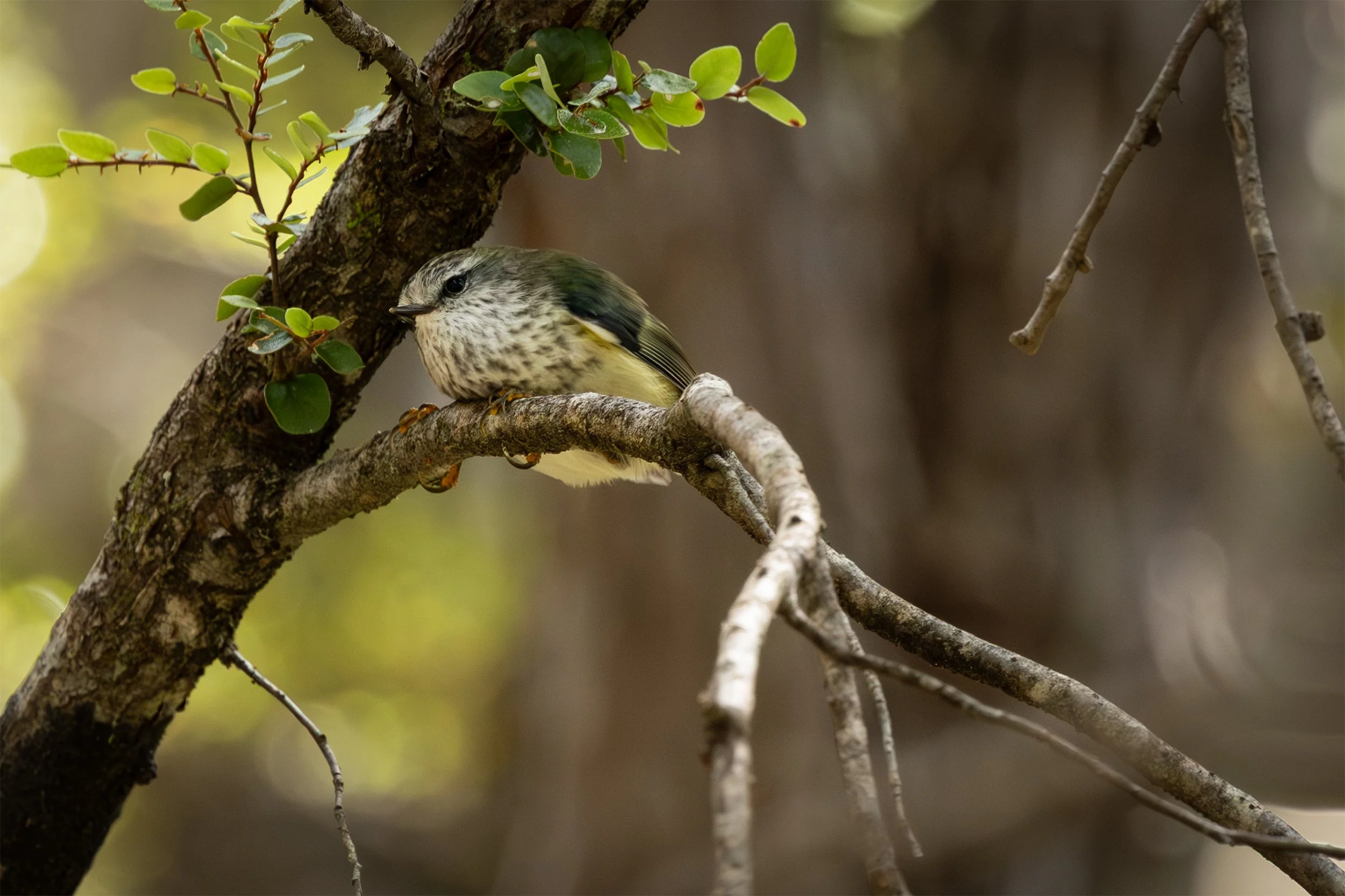
Landscape photography is obviously my go-to but I’ve always had a soft spot for bird photography, ever since purchasing my first Zealandia membership a few years back. My goal back then was to take a short walk around Zealandia and capture an award winning photo of New Zealand’s smallest bird, the Titipounamu/Rifleman. Close to 60 of them had been relocated into Zealandia (560acre fully-fenced predator-proof ecosanctuary) so it felt like a pretty easy quest. More than 7 trips and 20 hours of searching later I finally got my photo. It wasn’t award winning and I only captured it because the bird flew right past my face and landed on a nearby tree. I was so stoked though! My advice for anyone starting out is to go along with an experienced bird photographer, their ears are often dialed in to the different bird noises and that’s a huge advantage. I remember going to Zealandia with my mate Leon and he could hear the faint tweets of the Rifleman long before I could see them. I honestly couldn’t tell the difference between the tweets of the rifleman, whitehead, waxeye, sparrow etc
One aspect of photography I really enjoy is the ‘luck’. Being in the right place at the right time is hugely satisfying for me. I can’t predict whether a sunset or sunrise will explode with colour like I’m hoping, nor can I predict the best place in the forest to capture a great bird photo. What I can do, however, is load up my camera bag and just get out there. The more you shoot, the luckier you get funnily enough. Of course weather apps like Windy give you a much better chance of predicting colourful sunrises/sunsets with its High Cloud forecasting tool, among other features, but it’s still not 100% accurate.
One barrier to entry that has to be mentioned with bird photography is the equipment required to get great shots. You really do need a long lens, at least 400mm. Yeah, it’s nice having a camera body capable of shooting 30 frames per second but the lens is much more important. My longest lens that I own is a 70-200mm and it just doesn’t cut the mustard for the shots I want to capture. But hey, if you look like a bush or even better, a worm, then birds will get close to you and the 70-200mm will be fine.
I was fortunate enough to borrow the Canon 100-500mm lens paired with the Canon R5 mk II. The autofocus is really really good, fast and snappy. The reach at 500mm is great (of course 800mm would be even better). Its performance in the bush, when the light was low, with small birds darting around was reasonable. I don’t expect any camera/lens combo to perform brilliantly in poor conditions, but then again why would you be capturing photos of birds in the shadows? (I asked myself that exact question after failing to capture a shot of a small bird in the shadows).
So anyway, the plan was to get out to a few local reserves and photograph birds. I live close to Ashley Gorge in Canterbury, home to many bellbirds, silvereye and chaffinches. I went there a handful of times and then decided I wanted to get a photo of a Tomtit and again, the Rifleman. The first trip to Arthur’s Pass (80-90 minute drive) was a disaster and I captured not a single bird in over 2 hours of walking around. I’m not even joking, but I only saw two birds that entire time, and they were off in the distance. I was there late afternoon hoping there would be generous bird activity. It was comical how bad it was. The second trip to Arthur’s Pass I went to the Bealey Spur Track and this was much better. There were bellbirds on the driveway to the start of the track and then both Tomtits and Rifleman only a few hundred metres into the walk. No hero shots I’m afraid but it was still a blast to have a long lens and to be out in nature.
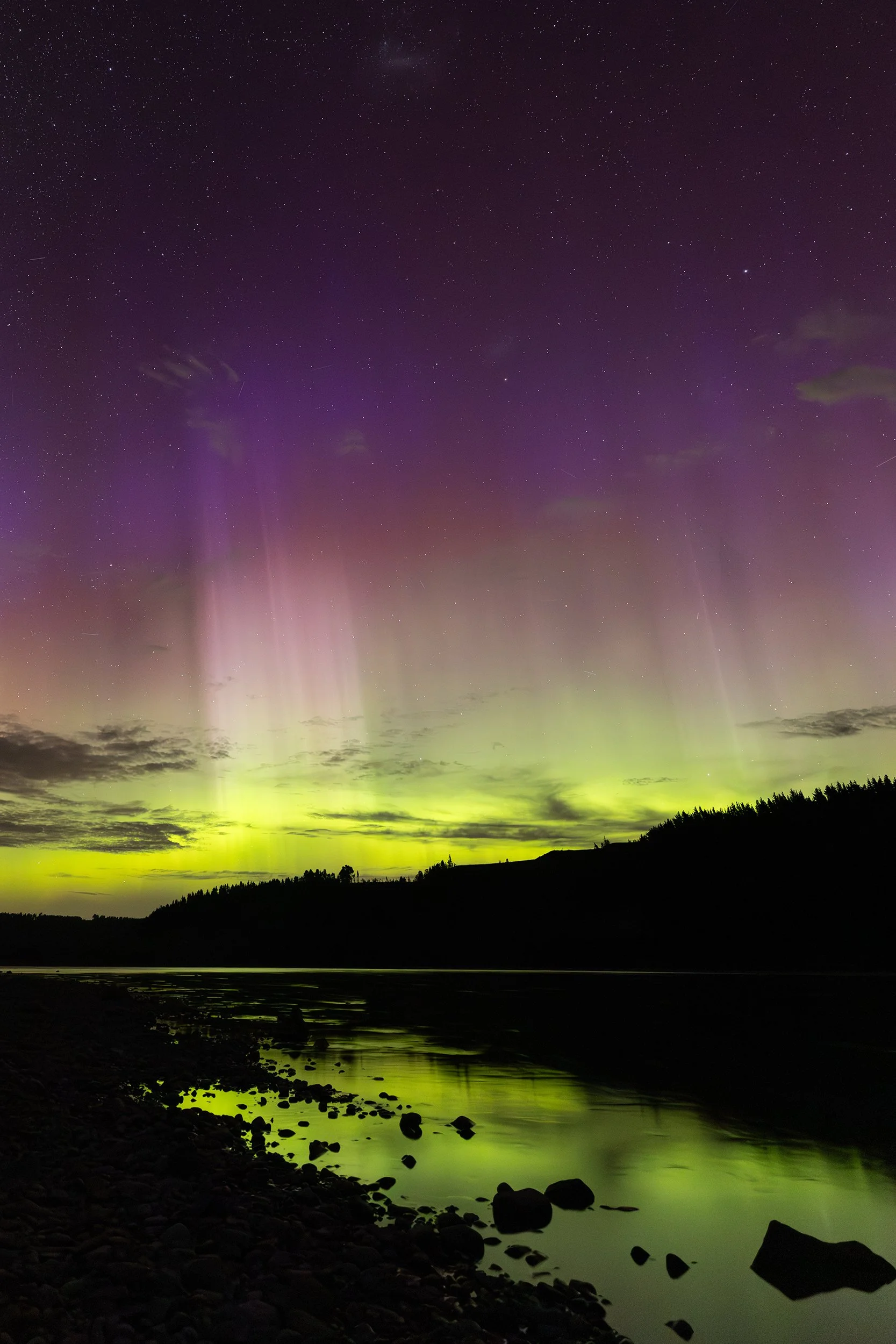
I also borrowed some lenses suitable for landscape photography and was lucky with the timing. The lupins were in bloom early December and then a pretty decent aurora graced the southern skies not long after. If I didn’t injure my foot I would have shot a whole lot more but I was happy with what I managed in a short time. I love my Fujifilm GFX for landscapes and portraits but for birds and sport the Canon blows it out of the water with lens choice, autofocus performance and relevant camera features. That’s not surprising as the GFX is not designed for action but that’s what I have so that’s what I’m comparing it to.
